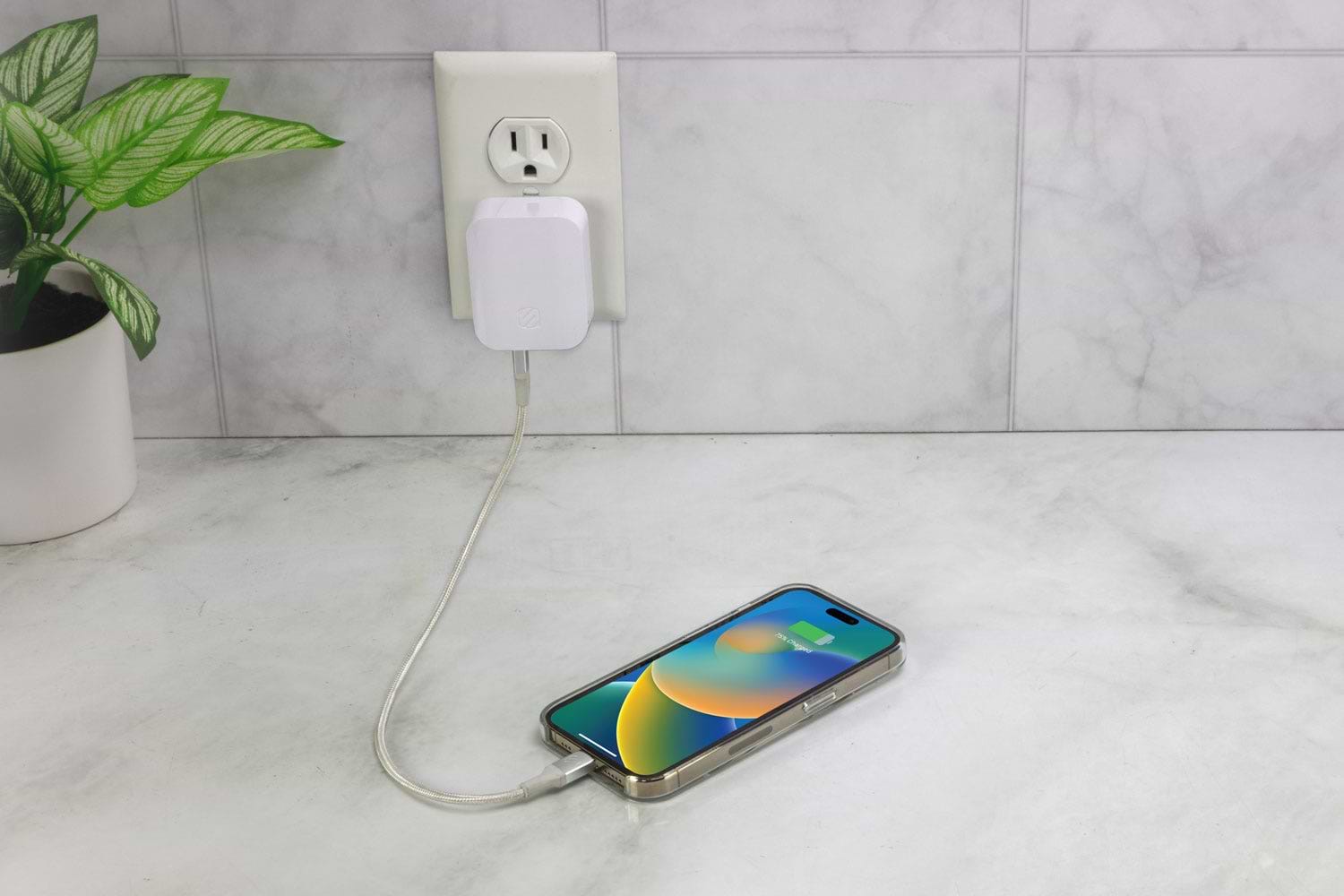
The Science Behind Fast Charging: How It Works and Why It Matters
Fast charging technology has revolutionized the way we power our devices, allowing for quick and efficient charging without compromising battery lifespan. At its core, fast charging works by increasing the amount of current flowing to the battery. Traditional charging typically uses a lower voltage and current, which can take hours to recharge a device. In contrast, fast charging utilizes higher voltages and currents, resulting in significantly reduced charging times. For example, some devices can reach a 50% charge in just 30 minutes. This swift process is made possible by smart charging circuits that manage power flow, ensuring that devices receive the appropriate charge while preventing overheating and excessive wear on the battery.
Understanding the science behind fast charging is crucial, especially as our reliance on portable devices grows. The significance of this technology lies not just in convenience, but also in efficiency and sustainability. Fast charging minimizes downtime, allowing users to make the most of their devices throughout the day. As manufacturers continue to innovate, advancements in battery technology and charging infrastructure will likely enhance the effectiveness of fast charging even further. To remain competitive and meet consumer demand, it's essential for electronic companies to prioritize this technology, making it a key component of their offerings.
Counter-Strike is a highly popular tactical first-person shooter game that has captivated gamers worldwide since its release. Players engage in team-based gameplay, where strategies and communication are essential for success. For players interested in optimizing their gaming experiences, check out our Top 10 charging stations to keep your devices powered up during intense gaming sessions.
Fast Charging vs. Regular Charging: Which One is Right for You?
In today's fast-paced world, fast charging has become a game-changer for many smartphone users. Unlike regular charging, which typically takes several hours to fully charge a device, fast charging allows users to replenish their battery in a fraction of the time. For instance, many modern smartphones support fast charging technologies that can provide up to 50% charge in just 30 minutes. This is particularly beneficial for individuals who are on the go or have limited access to power outlets. However, it's essential to note that not all devices are compatible with fast charging, and the effectiveness can vary depending on the charger and cable used.
On the other hand, regular charging remains a reliable option for users who prioritize battery longevity over speed. Charging your device at a standard rate, typically using a standard charger, reduces heat generation and can prolong the overall lifespan of your battery. For those who charge their devices overnight or during extended periods at home, regular charging might be the optimal choice. In conclusion, when deciding between fast charging and regular charging, consider your lifestyle and charging habits. If time is of the essence, fast charging is the clear winner; however, for those who prefer a more gradual approach, regular charging may be more suitable.
Is Your Device Compatible? Understanding Fast Charging Standards
As technology continues to advance, fast charging standards have emerged as essential features for modern devices. Fast charging refers to a set of technologies used to increase the rate at which electric energy is transferred to a device's battery. However, not all devices support every fast charging standard. To determine if your device is compatible, you need to look for key specifications such as the charging port type, the power delivery (PD) rating, and the supported voltage and amperage levels. Understanding these parameters helps you choose the right charger and cable that will not only charge your device quickly but also safely.
When evaluating your device's compatibility with fast charging, consider these fast charging standards:
- Qualcomm Quick Charge: This technology is predominantly found in many Android devices and varies by version.
- USB Power Delivery (USB PD): Common in newer smartphones, tablets, and laptops, USB PD supports higher power transfers through USB-C connections.
- Samsung Adaptive Fast Charging: Specific to Samsung devices, this standard allows for efficient charging without overheating.