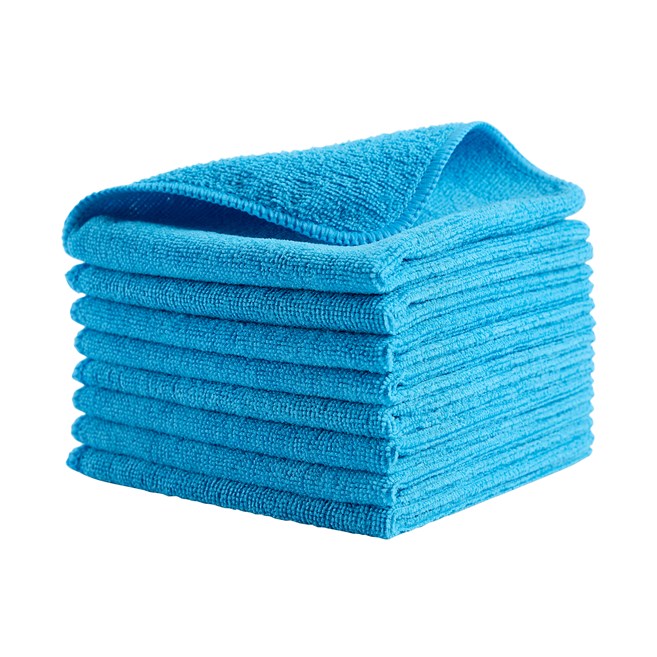
The Science Behind Microfiber: How It Transforms Your Cleaning Game
Microfiber is a revolutionary cleaning material that has transformed the way we approach cleaning tasks. Made from an intricate blend of polyester and polyamide, microfiber's ultra-fine fibers are approximately 1/100th the diameter of a human hair, allowing it to effectively trap dirt, dust, and debris. The structure of these fibers creates a large surface area, which enhances their ability to absorb moisture and pick up grime more efficiently than traditional cleaning materials. Unlike cotton, microfiber does not merely push dirt around; it actually captures it, making your cleaning efforts far more productive.
One of the most significant advantages of using microfiber is its eco-friendliness. Because microfiber is so effective at cleaning surfaces with just water, it reduces the need for harsh chemicals, making it a sustainable choice for environmentally conscious consumers. Additionally, microfiber cloths are durable and can be washed and reused hundreds of times, further minimizing waste. By incorporating microfiber into your cleaning routine, you not only elevate your cleaning game but also contribute to a greener planet, creating a win-win situation for both your home and the environment.
Counter Strike is a highly popular tactical first-person shooter game that pits teams of terrorists against counter-terrorists in various scenarios such as bomb defusal and hostage rescue. The game emphasizes teamwork, strategy, and skill, attracting millions of players worldwide. For those interested in maintaining their gaming gear, check out the Top 10 apple vision pro cleaning kits to keep your equipment in top shape.
Microfiber vs. Traditional Cleaning Tools: Which is More Effective?
When it comes to everyday cleaning, microfiber cloths have rapidly gained popularity over traditional cleaning tools. Unlike conventional rags or sponges, microfiber cloths are engineered with a unique blend of polyester and polyamide fibers, allowing them to attract and trap dust, dirt, and allergens much more effectively. This is largely attributed to their tiny fibers, which are capable of penetrating small crevices and surfaces, making them ideal for various cleaning tasks — from wiping down countertops to polishing windows. In fact, studies have shown that microfiber can remove up to 99% of bacteria when used with just water, whereas traditional tools often rely on chemical cleaners that can leave residues behind.
On the other hand, traditional cleaning tools, such as cotton cloths and sponges, continue to have their advantages. They are often less expensive to purchase and can be used for heavy-duty scrubbing tasks. However, they may not be as efficient in reducing allergens or bacteria compared to microfiber options. Moreover, traditional tools can harbor bacteria if not properly laundered or replaced regularly. For those prioritizing sustainability and long-term cost savings, investing in high-quality microfiber cleaning tools may be the more effective choice, as they can withstand numerous washes without losing their cleaning capabilities.
Top 5 Reasons to Switch to Microfiber for a Greener Home
Switching to microfiber products is a significant step towards achieving a greener home. First and foremost, microfiber is more environmentally friendly compared to traditional cleaning materials. Its unique structure allows it to pick up dirt and dust effectively without the need for harsh chemicals, making it a safer choice for both your family and the planet. This means less pollution and fewer harmful substances entering our water systems, promoting a cleaner environment.
Secondly, microfiber is incredibly durable, leading to fewer replacements and less waste. Unlike cotton or paper towels, which may need to be discarded after a single use, microfiber cloths can last for hundreds of washes if cared for properly. This longevity not only saves you money but also reduces your overall environmental footprint. Embracing these eco-friendly materials is a crucial part of creating a sustainable lifestyle, and it showcases commitment to a greener home.