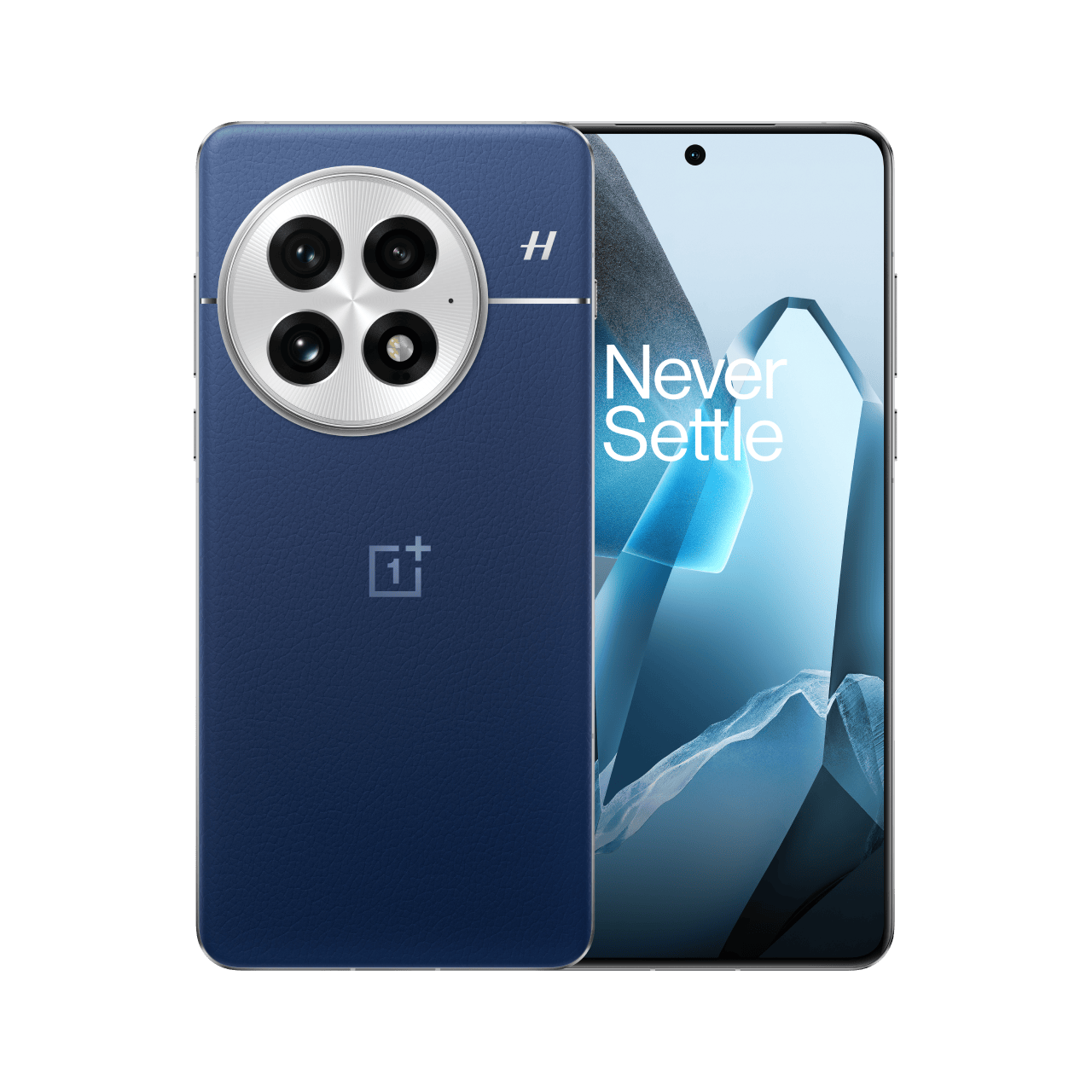
Unpacking the Power: How Smartphones Surpass Early Computers
In the realm of technology, smartphones have become indispensable tools that far surpass the capabilities of early computers. While early computers were limited in their functionalities and required extensive knowledge to operate, modern smartphones encapsulate a wide array of features within a compact design. They offer intuitive interfaces, high-speed processing, and access to a wealth of information at our fingertips. This transformation not only democratizes technology but also enhances connectivity through various applications and services, leading to increased productivity and creative work.
One of the most significant ways in which smartphones surpass early computers is their portability. Unlike early computing devices that were bulky and stationary, smartphones enable users to perform tasks on-the-go. They incorporate advanced features such as high-resolution cameras, GPS navigation, and powerful processors that were once the exclusive domain of desktop computers. Furthermore, advancements in mobile technology have paved the way for seamless communication and social interaction, making it easier for users to share ideas and collaborate remotely.
Counter-Strike, a highly acclaimed first-person shooter game, has captivated millions of players since its inception. With its emphasis on teamwork and strategy, players engage in intense matches where they can choose to be part of counter-terrorist units or terrorists. For gamers looking to enhance their travel experiences, don't forget to check out the Top 10 iphone travel accessories that can help make gaming on the go more convenient.
From Blocky Screens to Touch Screens: The Evolution of Mobile Technology
The journey from blocky screens to touch screens represents a significant shift in mobile technology. Initially, mobile devices were characterized by their small, monochrome displays that limited user interaction. These devices, often equipped with physical buttons or styluses, offered a basic user experience. However, as technology advanced, manufacturers began to incorporate larger and more colorful screens, paving the way for a more interactive environment. This shift marked the beginning of a new era, as consumers sought devices that could offer not only communication capabilities but also a rich multimedia experience.
With the introduction of touch screen technology in the late 2000s, mobile devices underwent a revolutionary transformation. Touch screens allowed for intuitive navigation, enabling users to interact directly with their devices through taps and swipes. This technological evolution made smartphones more accessible to a broader audience, as even those with minimal tech experience could easily use them. Today, with the rise of advanced features like multi-touch gestures and responsive designs, touch screens have become the standard for mobile devices, fundamentally changing how we communicate, engage with content, and access information on-the-go.
Is Your Smartphone Smarter Than Your Old Laptop? A Comparative Analysis
In today's fast-paced digital world, the debate between the capabilities of smartphones and older laptops is becoming increasingly relevant. While smartphones have rapidly evolved to include powerful processors and high-resolution displays, many users still wonder if they can truly replace laptops for more intensive tasks. For instance, modern smartphones boast advanced features such as artificial intelligence, high-speed internet connectivity, and superior camera capabilities, which often outperform older laptops in usability and versatility.
However, when it comes to specific functionalities such as video editing, programming, or multitasking with numerous applications, laptops still hold the upper hand. The larger screens and ergonomic keyboards of laptops provide a more comfortable and productive user experience for extended tasks. To summarize, while your smartphone may indeed be smarter in terms of technology and features, your old laptop may still be the better choice for substantial work and productivity tasks.