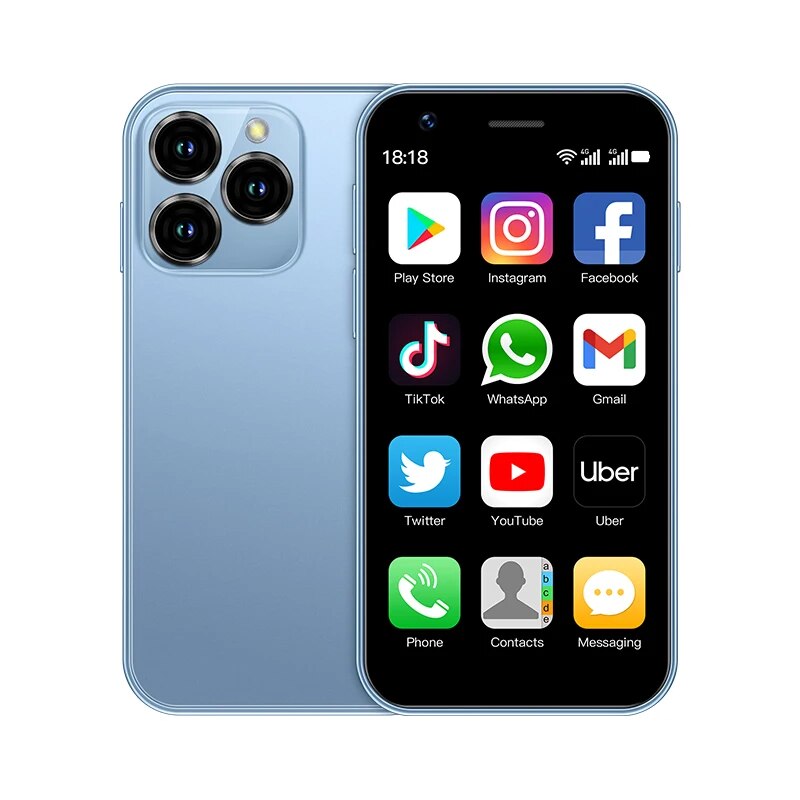
How Smartphones Enhance Productivity: Tools and Tips for Everyday Life
In today's fast-paced world, smartphones have become essential tools that significantly enhance productivity. They offer a variety of applications designed to help users streamline their tasks, manage time efficiently, and stay organized. From calendar management to project tracking, these devices put powerful resources at our fingertips. Popular productivity apps such as Todoist, Google Keep, and Evernote allow users to create to-do lists, set reminders, and jot down quick notes, all of which help keep daily tasks in order.
Moreover, with the ability to connect to the internet, smartphones enable seamless communication and collaboration. Tools like Slack and Zoom make it easy to stay connected with colleagues and engage in meaningful discussions, regardless of location. To maximize productivity on a smartphone, consider implementing these tips:
- Customize your home screen for quick access to essential apps.
- Set notifications wisely to minimize distractions.
- Utilize cloud storage solutions like Google Drive or Dropbox for easy file access and sharing.
Counter-Strike is a popular first-person shooter game that has captivated players since its inception. The game emphasizes teamwork and strategy, making every round a test of skill and communication. For players looking to protect their devices while gaming on the go, check out the Top 10 iPhone 17 Pro Max cases to keep your phone safe and stylish.
The Evolution of Smartphones: From Basic Communication to Essential Life Companions
The evolution of smartphones has been nothing short of remarkable, transitioning from basic communication devices to indispensable tools that facilitate almost every aspect of our daily lives. In the early days, mobile phones primarily served the purpose of voice communication, enabling users to make calls and send texts. However, with the advent of the smartphone era in the late 2000s, these devices began integrating advanced functionalities, such as internet browsing, video streaming, and app support, effectively transforming them into multifunctional gadgets that cater to a wide range of needs.
As technology continued to advance, smartphones evolved to become essential life companions, providing access to social media, productivity tools, and health applications. Today, users rely on their smartphones for everything from managing finances to staying connected with loved ones, showcasing how these devices have adapted to meet modern demands. The integration of artificial intelligence and improved connectivity through 5G networks further enhances the user experience, demonstrating that smartphones are no longer just communication tools but integral components of contemporary life.
Are Smartphones Really Making Us Smarter? Exploring the Impact on Our Daily Lives
In today’s digital age, the debate surrounding whether smartphones are truly making us smarter is more relevant than ever. On one hand, these devices provide instant access to a wealth of information, empowering users with knowledge at their fingertips. With a simple search, we can uncover facts, explore new concepts, and stay updated on current events. This accessibility can enhance our ability to learn and adapt to new situations, ultimately contributing to a more informed society. Moreover, applications designed for learning, like educational games and language tutors, further signify the potential of smartphones as tools for cognitive development.
However, the flip side of the coin must also be considered. The constant influx of notifications and the temptation to engage with social media can lead to distraction and reduced attention spans. Furthermore, it's increasingly evident that reliance on our smartphones for basic tasks—like remembering phone numbers or navigating directions—can diminish our cognitive abilities. This paradox suggests that while smartphones can serve as powerful tools for learning and growth, they can also detract from our mental capacities if not used mindfully. As we navigate this duality, it becomes crucial to examine our daily interactions with these devices to fully understand their impact on our intelligence and productivity.