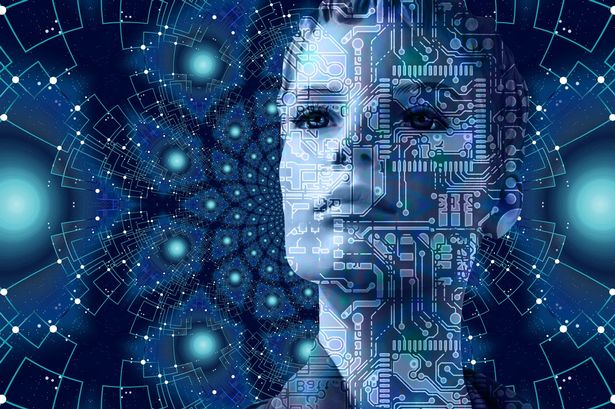
Virtual Reality vs. Augmented Reality: Which Will Transform Your Daily Life More?
Virtual Reality (VR) immerses users in a completely digital environment, allowing for experiences that can range from entertaining to educational. With advancements in technology, VR has become more accessible, giving users the ability to explore virtual worlds, take part in simulations, and engage in social interactions in ways never before possible. As we see increased adoption in sectors like gaming, education, and training, it's clear that virtual reality has significant potential to enhance various aspects of our daily lives. The capacity for VR to foster immersive learning experiences could revolutionize how we acquire knowledge and skills.
On the other hand, Augmented Reality (AR) overlays digital information onto the real world, enriching our existing environment. With the proliferation of smartphones and smart glasses, AR is becoming increasingly integrated into our daily routines. From apps that allow users to visualize furniture in their homes to navigation tools that provide real-time directions, the practical applications of AR are vast. As it continues to develop, augmented reality has the potential to transform sectors like retail, healthcare, and tourism, making our everyday interactions more engaging and informative. In this ongoing battle between VR and AR, the real question remains: which technology will integrate itself more seamlessly into our lives?
Counter-Strike is a popular first-person shooter game that has captivated players for decades, known for its strategic gameplay and team-based mechanics. Players can engage in various game modes, from classic hostage rescue to bomb defusal. For those who are passionate about keeping their gaming devices pristine, check out the Top 10 macbook cleaning kits to ensure your equipment remains in top condition.
How AI is Redefining Human Interaction in the Digital Age
In the digital age, AI is revolutionizing the way we connect and interact with one another. From chatbots that provide 24/7 customer service to virtual assistants that help us manage our daily tasks, artificial intelligence is reshaping communication in both personal and professional realms. As these technologies evolve, they facilitate more efficient and personalized interactions, allowing individuals to engage in ways that were previously unimaginable. For example, AI-driven platforms utilize sophisticated algorithms to analyze user behavior and preferences, thereby curating content and recommendations that resonate with individual users.
Moreover, the impact of AI on human interaction extends beyond mere efficiency. It raises essential questions about the nature of relationships in an increasingly automated world. While AI enhances connectivity, it also challenges traditional paradigms of communication. As we navigate this new landscape, it becomes crucial to understand how AI influences our social dynamics and emotional intelligence. The balance between leveraging technology for improved interaction while maintaining genuine human connections is critical to ensuring that we do not lose sight of the fundamental aspects of human engagement.
The Future of Blockchain: Beyond Cryptocurrency and Into Everyday Applications
The evolution of blockchain technology is paving the way for a future that extends far beyond its initial association with cryptocurrency. As industries begin to recognize its potential, applications are emerging in sectors such as supply chain management, healthcare, and even voting systems. For instance, blockchain can enhance transparency and traceability in the supply chain, allowing consumers to verify the origin of products and ensuring ethical sourcing. In healthcare, it can secure sensitive patient data and facilitate seamless sharing of information among medical professionals while maintaining privacy.
Moreover, the integration of blockchain into everyday applications is set to revolutionize how we conduct business and manage personal data. Smart contracts, powered by blockchain, automate processes and reduce the need for intermediaries, significantly cutting costs and improving efficiency. Additionally, as individuals become more concerned about data privacy, blockchain offers a decentralized approach to personal information management that puts users back in control. The future is bright for blockchain, suggesting a world where its benefits are felt in daily transactions, governance, and community engagement.