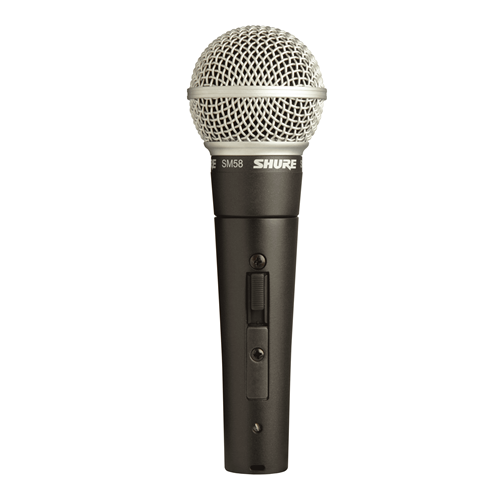
The Science Behind Sound: How Microphones Transform Whispers into Waves
The science behind sound is a fascinating interplay between vibrations and technology. Sound travels through air as waves, which are created by vibrating objects, such as vocal cords or musical instruments. When someone whispers, their breath causes air particles to oscillate, producing low-intensity sound waves. These waves are then captured by microphones, which serve as the critical link between the acoustic world and the electronic realm. Microphones convert these sound waves into electrical signals, allowing us to record, amplify, and transmit whispers, songs, and speeches with incredible precision.
Microphones utilize various technologies to achieve this transformation. The most common types include dynamics, condenser, and ribbon microphones. Each type operates on distinct principles, such as electromagnetic induction or capacitance changes, to detect sound waves. For instance, a condenser microphone uses a diaphragm that vibrates in response to sound waves, changing the distance between two plates and thus varying capacitance to generate an electrical signal. This intricate process converts the delicate nuances of whispers into audible waves, enabling communication and creativity across distances.
Counter-Strike is a popular tactical first-person shooter that has captivated gamers worldwide since its release. Players can choose to fight as terrorists or counter-terrorists in various game modes and maps. For those who are interested in enhancing their gaming experience, check out our Top 10 Phone Accessories for YouTube to discover some essential gear.
Microphones 101: Unlocking the Hidden Magic of Sound Capture
When it comes to capturing audio, understanding microphones is essential for achieving high-quality sound. From podcasting to music production, these incredible devices translate sound waves into electrical signals, enabling us to record and broadcast our voices and instruments. Microphones work on various principles, including dynamic, condenser, and ribbon designs, each suited for different applications and environments. For instance, dynamic microphones are known for their durability and ability to handle high sound pressure levels, making them ideal for live performances, while condenser microphones excel in studio settings due to their sensitivity and wide frequency response.
To unlock the full potential of your sound capture, it’s crucial to choose the right microphone for your needs. Here’s a quick overview of the key types:
- Dynamic Microphones: Best for live vocals and loud sound sources.
- Condenser Microphones: Ideal for studio recordings and capturing nuanced sounds.
- Ribbon Microphones: Great for vintage sound and smooth tonal qualities.
Ultimately, understanding the hidden magic of sound capture through microphones can significantly enhance your audio projects, ensuring that every note and nuance is heard as intended.
What Makes a Microphone Great? Exploring Features That Enhance Audio Quality
When it comes to understanding what makes a microphone great, various features come into play that can significantly enhance audio quality. Firstly, the type of microphone matters; dynamic, condenser, and ribbon microphones each bring unique advantages to specific recording situations. For instance, dynamic microphones are typically more durable and handle high sound pressure levels, making them ideal for live performances. In contrast, condenser microphones capture a wider frequency range and are often preferred in studio settings for their detailed sound reproduction.
Another essential factor is the microphone's frequency response, which determines how well it picks up different sound frequencies. A microphone with a flat frequency response will accurately capture audio without coloration, while others may emphasize certain frequencies to create a unique tonal character. Additionally, features such as polar patterns, self-noise levels, and impedance can greatly affect the overall sound quality and clarity. Understanding these specifications will help audiophiles and creators alike select the perfect microphone to meet their unique needs.