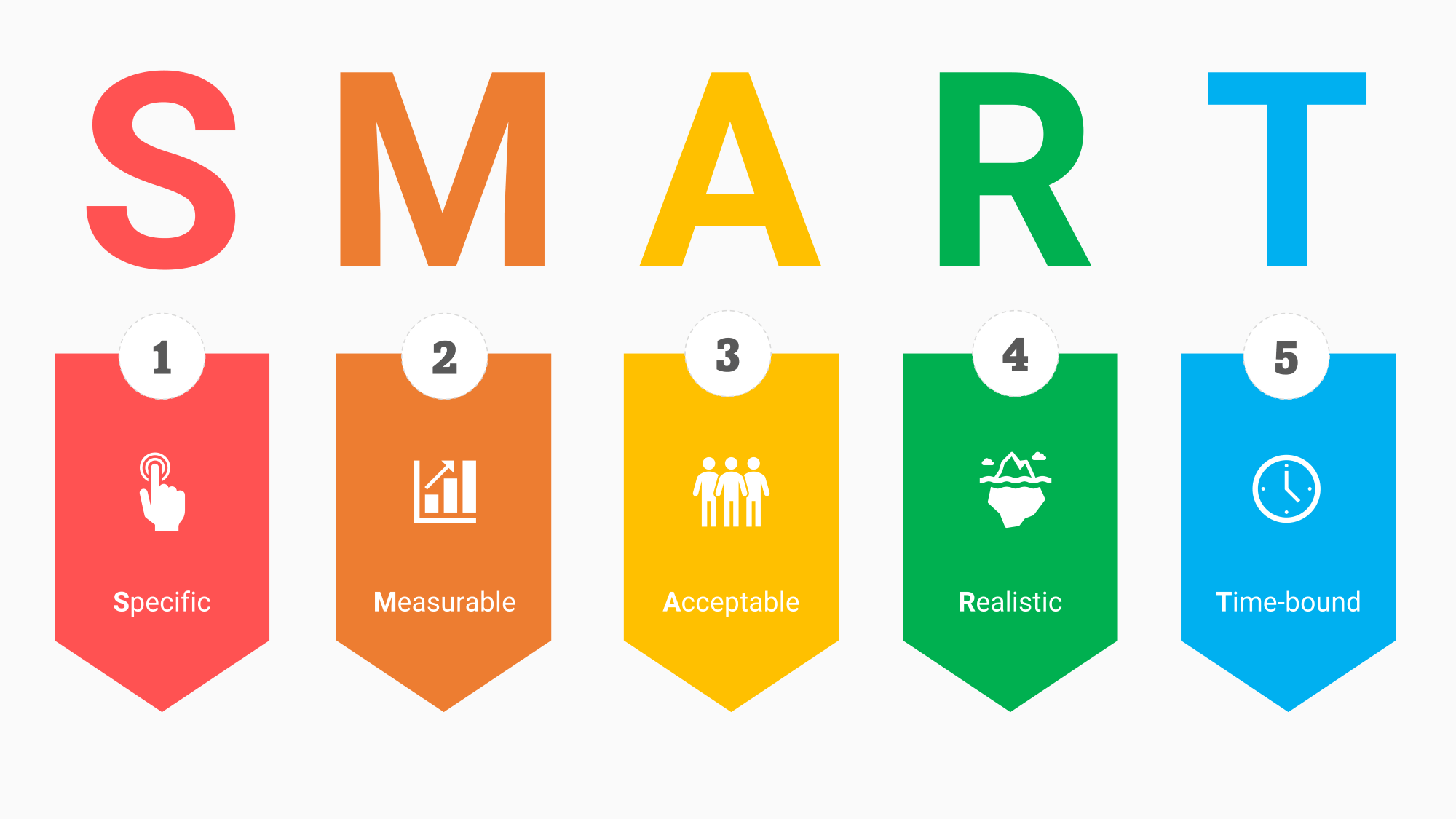
The Rise of Intellectualism: How Smart is Shaping Culture
The rise of intellectualism in contemporary culture marks a significant shift in how knowledge and intelligence are perceived and valued. In an era where information is more accessible than ever, there is a growing appreciation for critical thinking, creativity, and deep analytical skills. This trend is fueled by the proliferation of online platforms that celebrate intellectual discourse, from TED Talks to various educational podcasts. As a result, smart is no longer merely associated with academic achievements; it has evolved to encompass emotional intelligence and innovative problem-solving capabilities, making it a core principle for cultural development.
Moreover, the impact of smart culture extends beyond individual development, influencing industries, social interactions, and even political landscapes. For instance, businesses are increasingly seeking out intellectual talent that can drive innovation and adapt to rapidly changing environments. Additionally, a shift towards valuing intellect is encouraging communities to foster learning environments that prioritize critical thinking and collaboration. This cultural transformation not only enhances personal growth but also catalyzes societal progress, reshaping how we understand success and leadership in the modern world.
Counter-Strike is a popular tactical first-person shooter game, known for its competitive gameplay and strategic elements. Players can engage in various game modes, including bomb defusal and hostage rescue, which require teamwork and communication. In addition to its intense gameplay, players often seek out accessories to enhance their gaming experience, such as the Top 10 airtag keychains for tracking their gear.
5 Reasons Why Embracing Intelligence Makes You Stand Out
In a world where information is readily available, possessing and embracing intelligence can set you apart from the crowd. Here are five reasons why cultivating this mindset is essential.
- Boosted Problem-Solving Skills: Intelligent individuals often excel at resolving complex issues efficiently, making them valuable assets in team settings.
- Increased Confidence: Knowledge fuels self-assurance. When you embrace your intelligence, you become more confident in sharing your ideas and opinions.
- Enhanced Communication: Understanding complex topics often helps foster clearer and more impactful communication, allowing you to connect better with others.
Moreover, embracing intelligence not only sharpens your personal skills but also enriches your life experiences.
- Continuous Growth: Engaging with a wealth of knowledge promotes a lifelong learning attitude, inspiring you to seek out new experiences.
- Leadership Opportunities: Those who confidently embrace their intelligence often find themselves stepping into leadership roles, guiding others with informed decisions.
Is Being Smart the New Trend? Exploring the Shift in Social Norms
In recent years, there has been a noticeable shift in social norms that prioritizes intelligence and critical thinking over more traditional metrics of success. With the rise of technology and access to information, being smart has become a new trend, embraced by younger generations who value knowledge and innovation. This cultural shift is evident in various fields such as education, business, and social media, where intellectual prowess is increasingly celebrated. The importance placed on skills such as problem-solving, creativity, and emotional intelligence suggests that society is moving towards valuing mental acuity as a key asset.
The fascination with being smart is not just confined to individual success; it reflects broader societal changes in how we view expertise and leadership. As we navigate an era marked by rapid technological advancements and global challenges, people are beginning to recognize that intelligence can drive meaningful solutions. In this context, we see the emergence of thought leaders and influencers who prioritize sharing knowledge and fostering intellectual discussions. As a result, the question arises: will embracing intelligence continue to redefine our social norms, or is this just a fleeting trend?