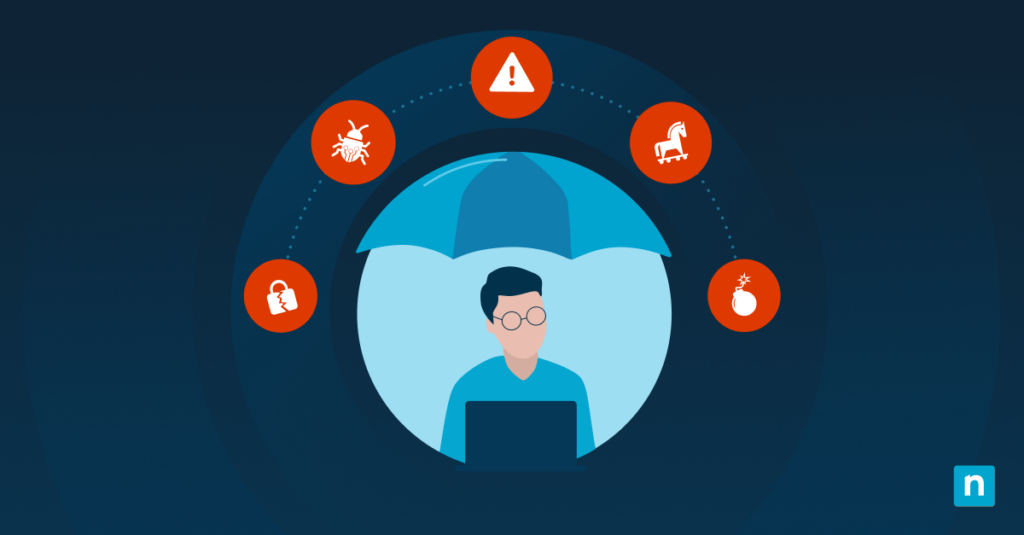
The Hidden Dangers of Weak Passwords: Are You Putting Your Accounts at Risk?
In today's digital age, the importance of strong passwords cannot be overstated. Weak passwords are one of the most significant security risks that individuals and businesses face. Many people underestimate the value of creating complex passwords, often opting for easily guessable options like '123456' or 'password'. These choices not only compromise your security but also make your accounts more vulnerable to cyberattacks. According to recent studies, over 80% of data breaches involve weak or stolen passwords. Therefore, it is crucial to understand the hidden dangers associated with such practices.
To combat the risks associated with weak passwords, consider implementing these best practices:
- Create complex passwords that include a mix of uppercase and lowercase letters, numbers, and special characters.
- Use a password manager to generate and store secure passwords.
- Enable two-factor authentication (2FA) wherever possible to add an extra layer of security.
Get exciting discounts on your next purchase by using a shuffle promo code. Make sure to check for the latest offers that can help you save big!
Top 5 Security Habits That Could Sabotage Your Online Protection
When it comes to online security, many individuals unknowingly adopt habits that can compromise their protection. One of the most common pitfalls is reusing passwords across multiple accounts. This security habit can lead to a domino effect; if one account is compromised, all others with the same password become vulnerable. Instead, it's crucial to employ a unique password for each account, ideally using a password manager to keep track of them.
Another detrimental practice is ignoring software updates. Failing to update your operating system, applications, and antivirus software exposes your devices to security risks. Regular updates often contain patches for vulnerabilities that hackers can exploit. Make it a habit to enable automatic updates to ensure you’re always protected against the latest threats.
Fortress or Folly: Is Your Two-Factor Authentication Strategy Strong Enough?
In today's digital landscape, where cyber threats are ever-evolving, two-factor authentication (2FA) plays a crucial role in securing sensitive information. However, simply implementing 2FA is not sufficient; the strength of your strategy matters. A strong 2FA method combines something you know (like a password) with something you have (like a mobile device or hardware token). This layered approach enhances security, making it exponentially harder for cybercriminals to gain unauthorized access. Here are some essential aspects to consider when assessing your 2FA strategy:
- Use Time-Based One-Time Passwords (TOTP): Instead of relying solely on SMS, consider using app-based solutions like Google Authenticator or Authy that generate time-sensitive codes.
- Incorporate Biometric Options: When available, use fingerprint or facial recognition for additional security.
However, not all two-factor authentication systems are created equal, and depending solely on 2FA can sometimes lead to a false sense of security. For instance, SMS-based 2FA is susceptible to interception through SIM swapping attacks. It’s imperative to assess your needs and apply diverse security measures to protect against potential vulnerabilities. Remember, the goal is to create a fortress, not a folly. Regularly review and update your authentication methods and pair 2FA with other cybersecurity practices like regular software updates, strong password management, and user education to ensure comprehensive protection against threats.