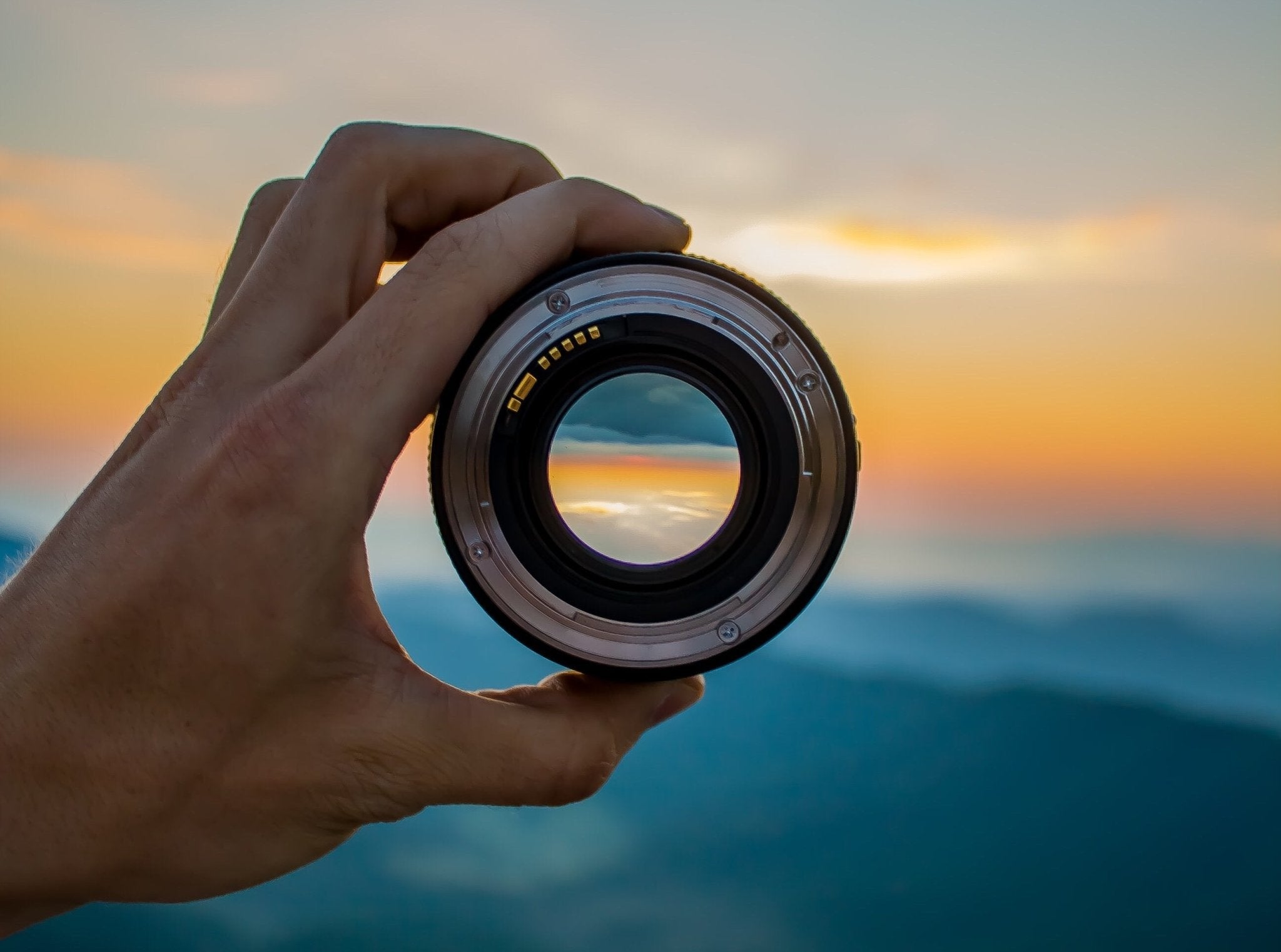
Understanding Focal Length: How It Shapes Your Photos
Understanding focal length is essential for both novice and seasoned photographers alike. It defines the distance between the lens and the image sensor when the subject is in focus, impacting various aspects of your photos. Focal length, measured in millimeters (mm), often influences perspective, depth of field, and overall composition. For instance, a wide-angle lens (typically 14-35mm) captures more of the scene, making it ideal for landscapes and architectural photography. In contrast, a telephoto lens (70mm and above) allows you to zoom in on distant subjects, perfect for wildlife or sports photography.
Moreover, the choice of focal length can dramatically alter the mood and message of your images. Shorter focal lengths can exaggerate depth and create a sense of space, while longer focal lengths compress spatial distances, making backgrounds appear closer to the subject. Understanding how to effectively utilize focal length can enhance your storytelling ability through photography. To sum up:
- Focal length affects perspective, with shorter lengths widening scenes.
- It influences depth of field, impacting how much of your photo is in focus.
- Selection of focal length can evoke different emotions and narratives.
Counter-Strike is a highly popular tactical first-person shooter game that pits teams of terrorists against counter-terrorists. Players engage in intense matches where strategy and teamwork are crucial for success. In addition to the thrilling gameplay, players often seek accessories to enhance their gaming experience. If you're looking for great gear, check out the Top 10 iphone accessories under 50 to upgrade your setup.
The Magic of Depth of Field: Unlocking Creative Possibilities
The magic of depth of field is an essential concept in photography that allows creatives to manipulate focus and clarity in their images. By controlling this aspect, photographers can draw attention to specific subjects while seamlessly blurring the background, adding a sense of dimension and storytelling to their work. This technique is not just reserved for professional photographers; with a basic understanding of aperture settings, anyone can experiment with this artistic style to enhance the visual impact of their photos.
To unlock the creative possibilities that depth of field offers, consider the following tips:
- Choose the Right Aperture: A lower f-stop number will yield a shallower depth of field, creating stunning portraits that allow the subject to pop against a soft background.
- Experiment with Distance: The distance between the subject and the background greatly influences the depth of field, so try varying your position to see how it affects your shot.
- Use Lenses Wisely: Different lenses have varying capabilities when it comes to depth of field—prime lenses typically provide a smoother blur than zoom lenses.
Choosing the Right Lens: A Guide for Every Photographer
When it comes to photography, choosing the right lens can make all the difference in achieving the image you envision. Different lenses offer unique characteristics and perspectives, catering to various photography styles. For example, if you're focusing on portraits, a lens with a wide aperture (like a 50mm f/1.8) is ideal for creating that beautiful bokeh effect that highlights your subject. Conversely, for landscape photography, a wide-angle lens (like a 16-35mm) allows you to capture the vastness of nature in a single frame. Understanding these distinctions is crucial for developing your skills as a photographer.
Moreover, there are several factors to consider when selecting a lens. Firstly, focal length plays a critical role; shorter focal lengths excel in wide shots, while longer ones are perfect for close-ups and distant subjects. Secondly, consider the lens's aperture size, as a wider aperture allows for better low-light performance and depth of field control. Lastly, pay attention to the lens's build quality and autofocus capabilities, especially if you're shooting in challenging environments. By meticulously evaluating your needs and understanding the characteristics of different lenses, you can significantly enhance your photography journey.